
Intestinal Worms Stealing your Child's growth !

Worms and Worries: How 'worm infestation' Could Be Silently Impacting Your Child's Growth?
Is Your Child Eating Well But Not Growing? New studies reveal that ordinary gut parasites, colloquially referred to as 'Krumi' (in gujarati), can be silently stunting your child’s growth and robbing them of nutrients. Knowing how to treat and prevent these infections will help your child to thrive.
What Are Worms? Here's A Guide to the Unseen Parasites That Are Infecting Our Kids
Imagine a typical evening. After a long day, you and your little one are finally relaxing. But in recent days, you’re seeing something alarming: lingering stomach issues, fatigue that seems unusual for an active youngster, or maybe they simply aren’t growing as fast as other children their age, despite your best efforts to feed them healthy meals. Are you supposed to be thinking, “What am I doing wrong?”
As parents, we dedicate our lives to nurturing our children and helping them get the best possible start in life. Intestinal worms and other parasites present a hidden danger, however, that can quietly sap their health and well-being. In Ayurveda and common parlance throughout India, these intestinal worms and parasites come under the catch-all term called 'Krumi', [in gujarati]. This phrase includes the kinds of parasites described in this post such as the roundworm (Ascaris) among others. These miniscule invaders can have devastating effects on a child’s gut resulting in malnutrition and other health related issues (Intestinal Parasites & Worms: Symptoms, Types, Treatment, n.d.).
How Nutrients and Energy Are Stolen from Your Child by Intestinal Parasites?
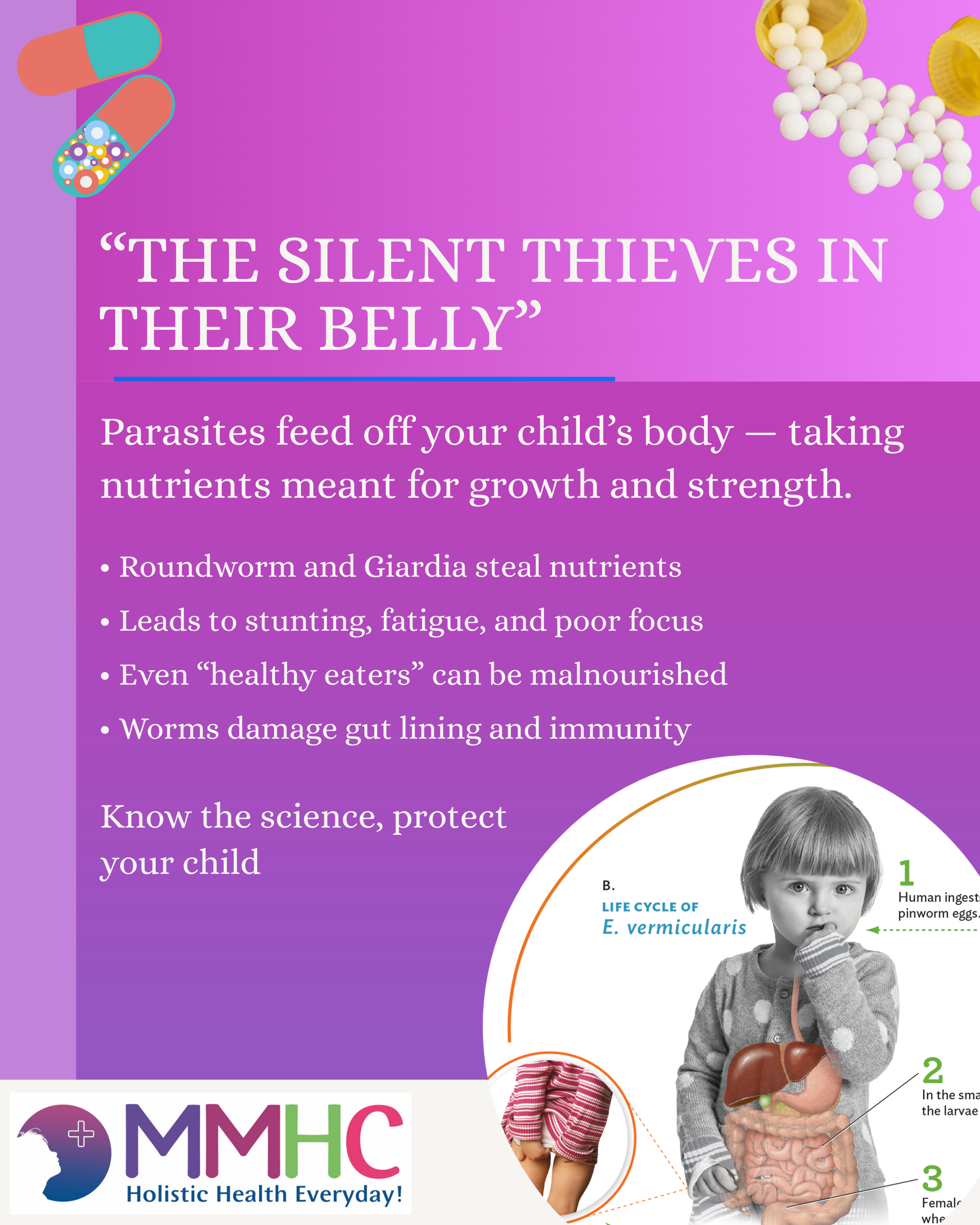
gut Recent studies have uncovered a vital link between common gut parasites and a child's physical growth. A systematic review of fifteen studies has provided evidence that infections with intestinal worms and parasites, especially those caused by Roundworm (Ascaris/lumbricoides) and Giardia, are one of the leading causes of stunting, wasting, and underweight in children under five years of age. These infections establish a vicious cycle with malnutrition, are acquired early in life, and are fueled by risk factors such as inadequate sanitation, unhygienic behavior, and non-breastfeeding.
Intestinal parasites, including helminths (worms) and protozoa (single-celled organisms), depend on a host’s body for food and shelter. But when these unwelcome guests take up residence in your child’s intestines, they do more than simply exist there — they literally feed on your child’s nutrients. This parasitic theft means that even when your child is eating a wholesome diet their body is not absorbing the vital vitamins, minerals, and calories necessary for healthy growth and development. This can lead to:
- Stunting: The child suffers from An Impairment of Growth and is Too Short for His Age.
- Wasting: The child is too thin for his/her height, a sign of acute malnutrition.
- Underweight: When a child is too light for their age.
Apart from robbing out nutrients, these worms also erode the thin wall of the intestines, obstructing nutrient absorption even further and causing chronic inflammation and pain. The battle with parasites takes a toll on their little bodies, sapping their strength and compromising their immune system—as well as potentially impacting their brain development.
Kids with °Giardia infection were 2.9 times more likely to be wasted.
More studies will certainly be done, but the consistency of the association in multiple studies certainly makes the prevention point well. Protecting Your Child’s Future Assessing this silent danger is the first step in understanding how to safeguard your child’s future.
Why Parents Need to Be Extra Vigilant ?
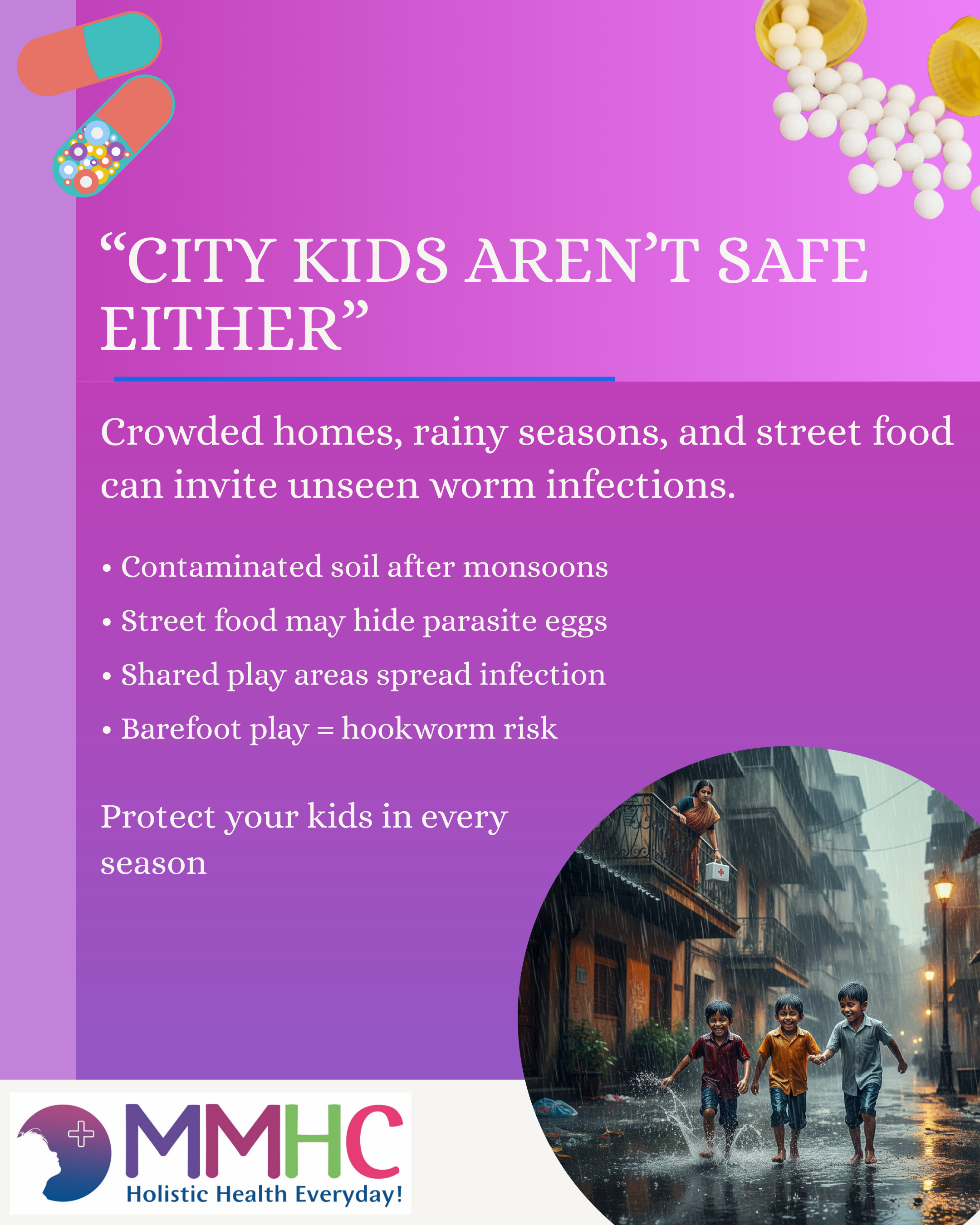
Challenges of health and sanitation are a part and parcel of life in a large bustling city like Lagos. Parasitic diseases could become increasingly urbanized, especially in areas of high population density where potential shifts in human, animal, and environmental interactions could facilitate transmission and possibly exacerbate access to sufficient water, sanitation, and hygiene (WASH) services ( The Interplay Between Household Risk Perception of Parasitic Infections and Water, Sanitation, and Hygiene (WASH) Practices: Evidence From an Urban Poor Community in the Philippines - PMC , n.d.). Several conditions related to our urban life style that can predispose our children to parasitic infections are:
- High Humidity & Monsoon Season : A wet climate and intense monsoonal rainfalls make the environment favorable for parasite breeding. Pools of water, wetland soil, and clogged gutters can be contaminated with worm eggs, and the eggs can be brought home or collected by children playing outside.
- Cramped Living Conditions : If you live in a highly populated area, the rate at which people get sick can increase due to a high concentration of people living around you. An infection with the intestinal worm can spread fast among children living in a community or in apartments in a building compound, via shared play areas, toys, or through poor sanitation.
- Water and Soil That Are Dirty: Although there is effort put into providing clean water, app infrastructure may mean some areas are still dealing they're with contaminated water supplies. Children playing in the common gardens, parks, or housing complexes can accidentally ingest soil that houses worm eggs. So, if your child enjoys constructing sandcastles at Juhu Beach or scooting around in the society garden, then they're more vulnerable to catching parasitic infections such as hookworms that can sneak in through the skin if you and your child happen to go barefoot on contaminated earth.
- Street Food and Produce that Aren't Washed : The availability of street food and fresh produce adds to the charm of the city of Mumbai. But if veggies and fruits are not washed properly or food is cooked in unhygienic environments, it could harbor parasite eggs."
What this means for parents is that prevention is your best bet – you need to be very proactive about preventing your child’s gut from being compromised, and their overall nutrition, under the circumstances.
5 Easy Ways to Protect Your Child From Intestinal Parasites
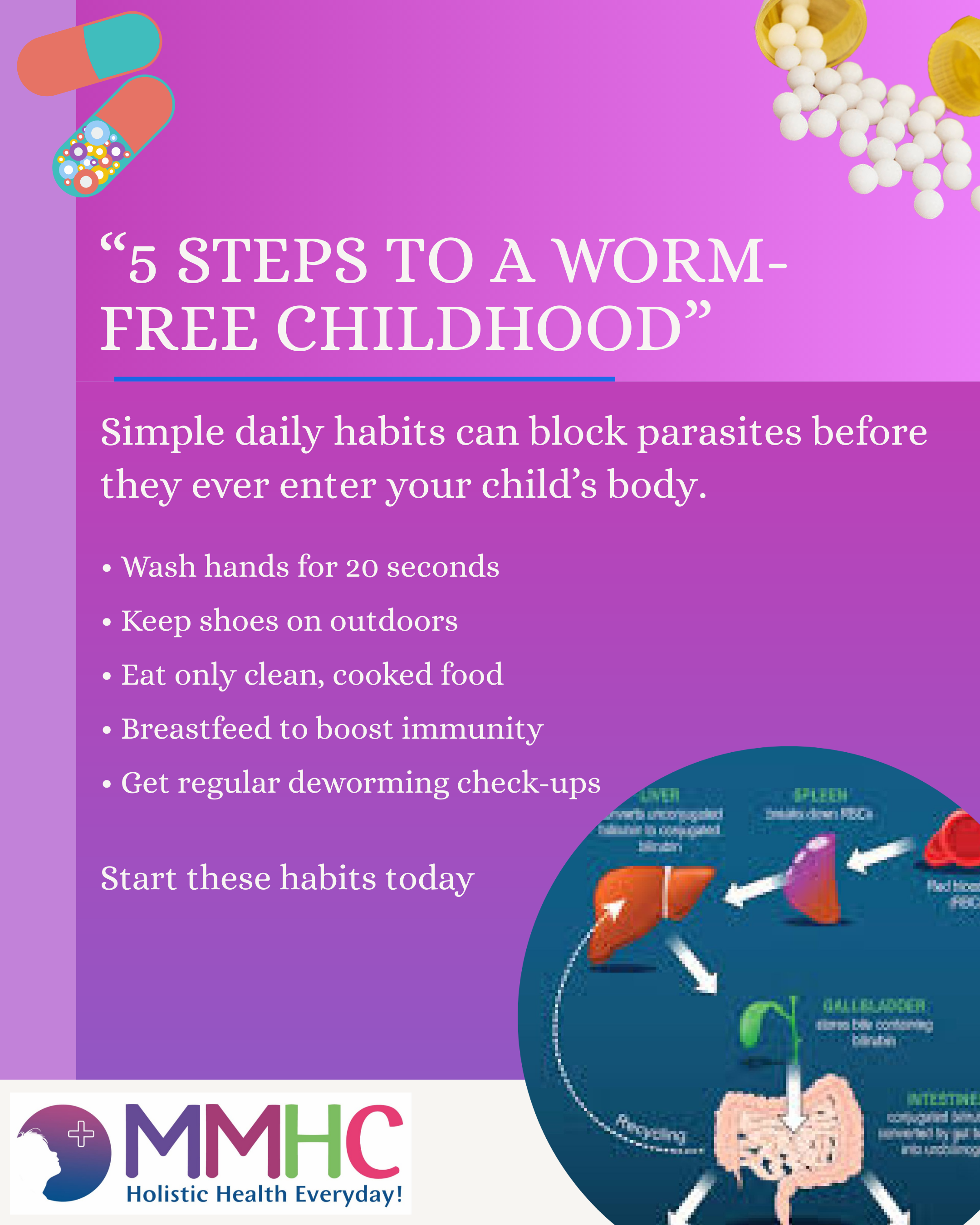
Arming yourself with information and actions to take is your best protection against intestinal parasites. Here is your complete guide
DUBLIN, Ohio (WCMH) - It’s a story all too familiar for some parents , young children with intestinal worms. Shellfish US Do This One Thing for your Personal Care brought to you by Ellora's Cave 5 Step Shield protect your child from Intestinal Parasites with These Sure Fire Tips
Step 1: Keep Good Personal Hygiene Well .
Now, that is the A-B-C of prevention and cure. Parasite eggs are tiny and may be found on contaminated surfaces and can get on your child’s hands and subsequently in their mouths.
- How: Teach your child to scrub their hands with soap under clean water for at least 20 seconds and supervise them. Make it a fun routine!
- When: Promote handwashing:
- At the table (and before cooking or eating food).
- After you go to the bathroom.
- After playing outside (especially in the mud, sand, or other play areas).
- After petting an animal.
- Why: Clean Hands Are so Important to Kids: Thanks to better hygiene like washing hands and preparing foods more safely, children are less likely to swallow parasite eggs or larvae. Researches reveal that inadequate handwashing is a favourable condition for acquisition of intestinal parasites through fecal-oral route ( Prevalence and Associated Risk Factors of Intestinal Parasites among Schoolchildren from Two Primary Schools in Rama Town, Northern Ethiopia - PMC , n.d.).
Step 2: Barefoot on the Floor – Don’t Let Hookworms Run Loose
Hookworms, a species of intestinal worm, can burrow through the skin, usually through bare feet, especially when walking over soil that has been contaminated.
- How: Keep your child’s feet covered with shoes or socks at all times when outdoors playing, even in places that look clean, such as near a construction site or in a yard.
- When: Any time they go outside, even if it’s only for a moment.
- Why: It acts as a physical barrier against the hookworm larvae in the soil and keeps them from getting inside your kid’s body.
Crucial Tip: Make Sure Your Kids Always Wear Something on Their Feet - closed toe shoes preferred - when playing in public yard areas or in dirt communal gardens, worm larvae can penetrate your kid’s skin.
Step 3: Say Yes to Clean Plates and Cups - Food & Water Safety !
Contaminated food and water have been associated with hollow intestinal parasites.
- How:
- Water: Your child should drink safe water at all times. That means boiling water, filtered water filtered through a trusted water filter, or bottled water. Don’t drink directly from lakes, streams, or rivers, or from tap water that you suspect might be questionable.
- Fruits & Vegetables: Scrub them all under running water, even if you’re peeling. In endemic areas, only eat fruit and vegetables that have been washed in clean water, peeled and cooked.
- Cooking: When cooking meat, bake it or fry it to a temperature high enough to kill parasites, such as tapeworms or Trichinella. Don’t feed your child raw or undercooked meat or fish.
- When: At each meal and drink break your children have.
- Why: This kills eggs and larvae of parasites that are potentially on the surface of the food or in the water.
Step 4: Know the Power of Breastfeeding
Breastfeeding provides a different level of protection for babies.
- How: Breastfeed your baby exclusively for about the first six months of life, if you can, and keep on breastfeeding after you introduce solid foods for as long as you and your baby want to.
- When: From birth to the early years of life, Because of humming &c;
- Why: Breast milk has immune-boosting and anti-inflammatory factors that contribute to infant immune protection and may shield them from certain parasitic infections by fostering the development of their immune system and intestinal health. The fact that she was not breastfed was associated with increased risk of intestinal worm and parasite infections.
Step 5: Recognize When It’s Time To Get Help
All the Preventive Measures can Not Prevent at All from But Can Stop Infections from Occurring! Early identification and appropriate, adequate treatment are vital.
- Watch out for symptoms: Intestinal parasites can induce a range of nasty symptoms to the digestive tract although some parasitic infections can be asymptomatic. When they do, they may include:
- Persistent stomach pain or cramping, gas, diarrhea or bloating.
- Change in bowel habits (diarrhea, constipation).
- Nausea and vomiting
- Anal itching especially at night (a classic sign of pinworms)).
- Fatigue, weakness, or lethargy of unknown cause. Loss of appetite, or on the other hand, insatiable hunger, but no weight gain.
- Seeing worms or segments of worms in your stool (tapeworm segments can look like little grains of white rice). Unexplained weight loss or weight loss despite adequate calorie intake.
- Need for Medical Diagnosis: Please do not self-diagnose or use without a medical adviser. A doctor will inquire about your symptoms and conduct a physical examination. They'll probably do stool tests to check for parasite eggs in your kid's poop — which is generally the only test needed. Other tests such as Scotch™ tape test for pinworms, blood test for anaemia or specific antibodies or imaging for detecting adult worms may be considered. A pediatrician or gut health specialist will be able to determine the specific type of parasitic infection and will recommend which antiparasitic medication and dosage you should use based upon their age and what they need.
- Routine deworming: Make an appointment for regular check-ups with your child’s doctor who can provide the best guidance on routine deworming, particularly if you live in an area where intestinal parasites are common.
Your Plan of Action for a Worm-Free Childhood Starts Today
Infectious disease Intestinal parasitic infections are a frequent but neglected contributor to poor growth and health in children. The silent theft of nutrients and damage to the gut can bring about the damage to occur for a long time, which includes itself in malnutrition, anaemia of iron, bowel obstruction and stunted physical and cognitive growth making your child susceptible to the contracting of even more illnesses .
But the good news is that you now have a roadmap of what to do next. Employing these five tangible practices – learning the science of handwashing, knowing how to keep shoes on outdoors, eating and drinking safely, being aware of the benefits of breastfeeding, and discerning when to get medical care – you can make a serious dent in your child’s chances of getting an intestinal parasitic infection.
Anxious for worms ? Get professional assistance at our clinic now !
Don’t let the invisible load of these parasites rob your child of their potential. If you have questions about your child’s wellness or development, or suspect a worm infection, we encourage you to speak with a pediatrician or gut health specialist at MMHC. We can provide the appropriate testing, guidance, and treatment to help make sure your child grows up healthy, happy, and free from the shackles of parasitic infections. We care about your child and so should you.