
The Father's Mind Matters

Why Dad's Prenatal Mental Health is Key to Baby Bonding ?
New research reveals that a father's emotional well-being during pregnancy plays a surprisingly powerful role in how he bonds with his newborn. This finding shifts the focus from just postpartum mental health to the critical prenatal period for fathers as well. It's an empowering insight that can help expecting families build stronger connections from the very beginning.
The Unseen Burden of Expectant Fathers
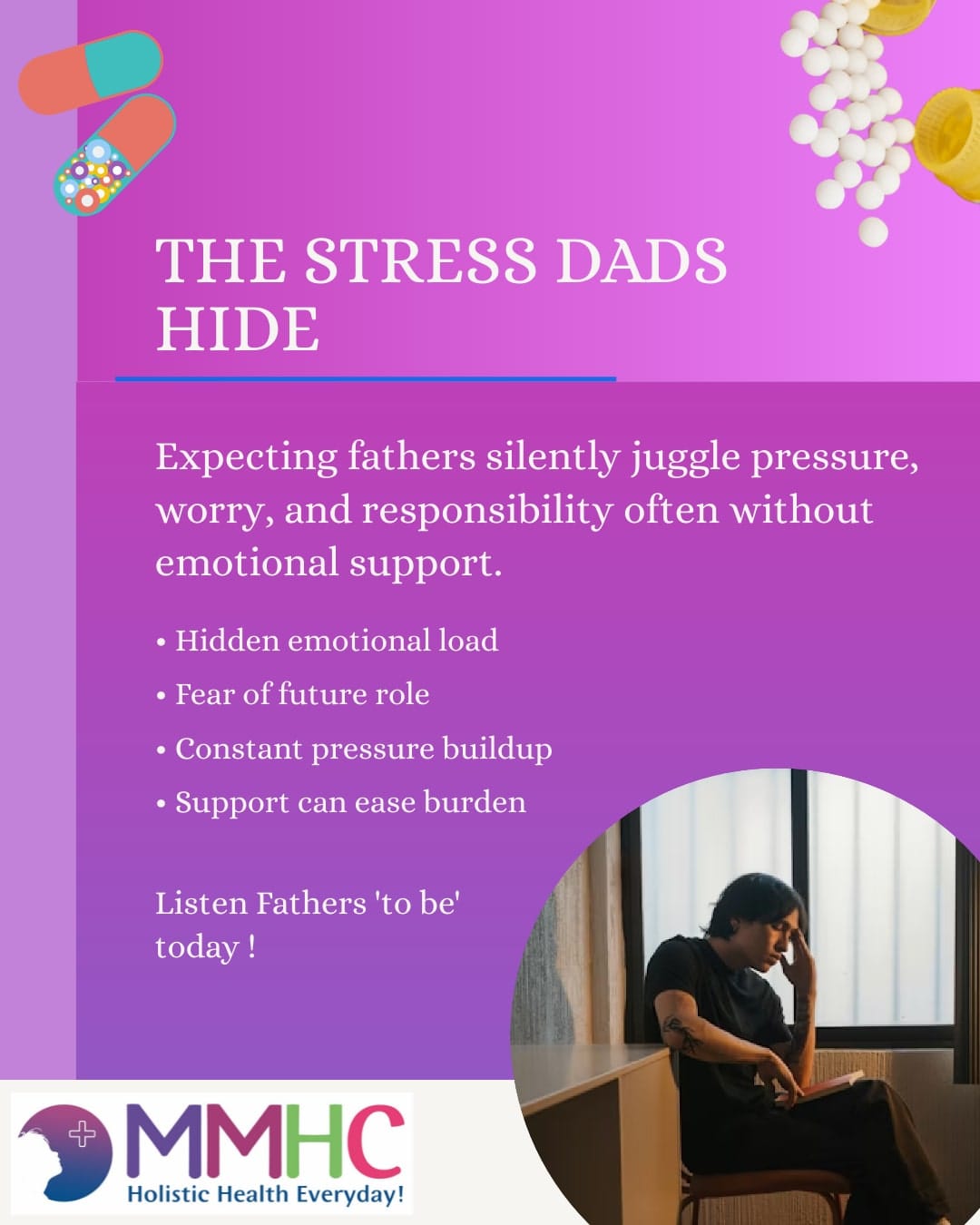
Picture this: Rohan, a 32-year-old marketing executive in Mumbai, is planning for his first child. He's juggling a whirlwind schedule of client meetings, commuting through notorious traffic, and then racing home to check on his pregnant wife, Priya. He goes to every prenatal appointment, he looks up baby gear and he tries to think of everything. On the surface, he's the supportive, involved expectant dad.
But under the surface, Rohan is dealing with his own quiet worries. The cost of financial fulfilment of a child in a metro city, the overwhelming responsibility of becoming a parent, the terror of the unknown, these things more often keeps him up at night. He writes them off as "normal stress," something he just has to power through. After all, Priya is the bearer of the baby; her mental health comes first, doesn't it?
This scenario is incredibly common, especially in a fast-paced city like Mumbai, where expectations are high and personal well-being often takes a backseat. Expecting fathers are often seen as the stoic providers, their emotional landscape largely unacknowledged. But what if Rohan's emotional health, even before the baby arrives, is just as important for the baby's future and his connection with them? What if his prenatal mental state holds a key to the profound bond he will share with his child?
Understanding the Research: A New Perspective on Paternal Bonding
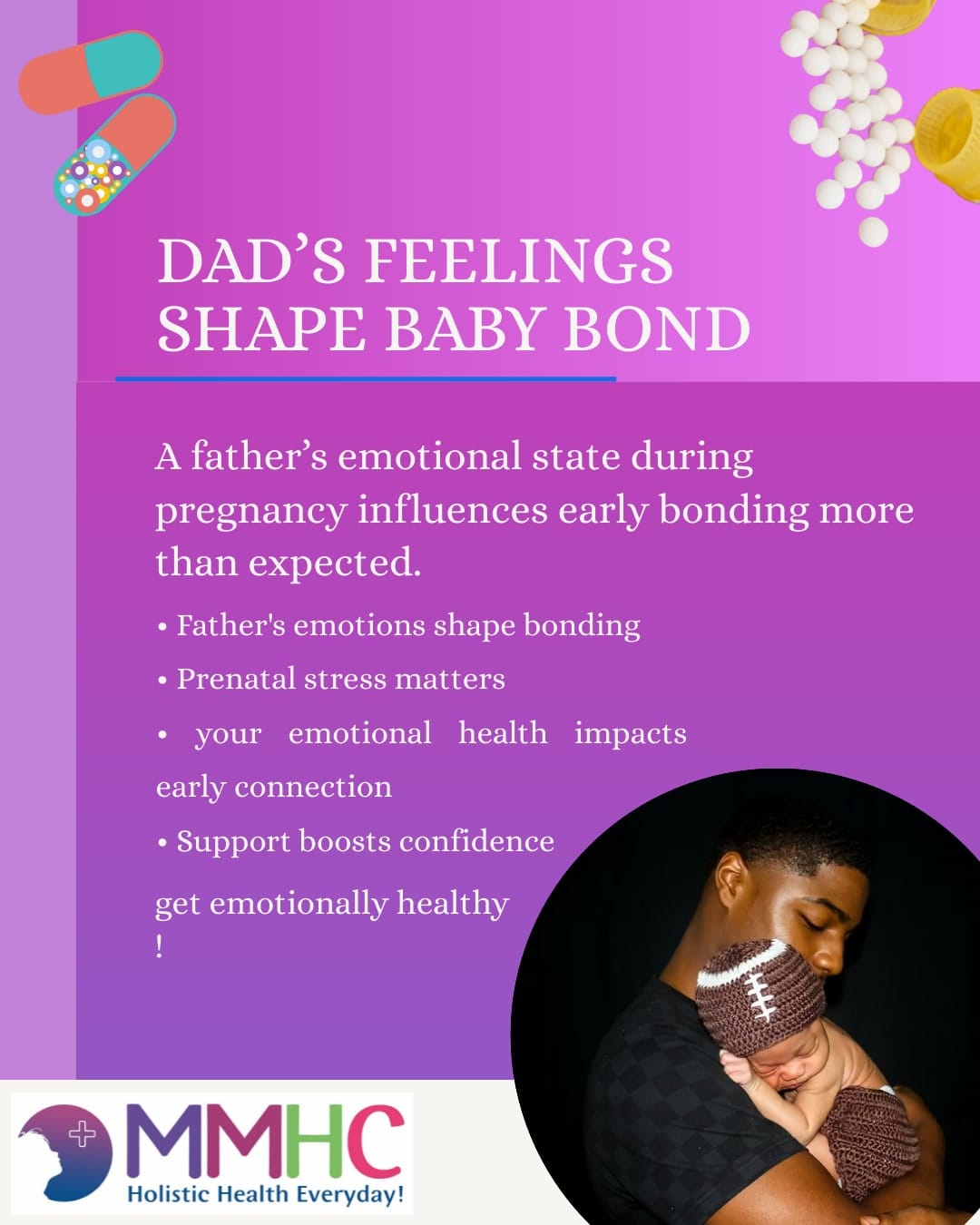
For years, the conversation around parental mental health during pregnancy and after birth has rightly focused on mothers, particularly concerning postpartum depression according to the World Health Organization. However, a recent pilot study conducted in Germany published in the Journal of Affective Disorders has shed a groundbreaking light on the father's emotional journey, revealing a crucial insight that could redefine prenatal care for families everywhere.
This pioneering research found that a father's depression and anxiety during pregnancy are the strongest predictors of the quality of his bond with the baby at three months old. This is a significant shift, as it suggests that the emotional groundwork for father-baby bonding is laid even before the child's birth. Surprisingly, the study indicated that the mother's depression did not significantly impact the father's bonding in the same way.
Let's break down the key findings:
- Prenatal Paternal Mental Health is Key: The study highlighted that the emotional state of the father before the baby's arrival specifically, symptoms of depression and anxiety had the most profound influence on how well he bonded with his infant in the early months.
- Stronger Predictor than Postpartum Symptoms: This prenatal mental health was a more powerful indicator of future bonding than any depressive or anxious symptoms the father might experience after the birth.
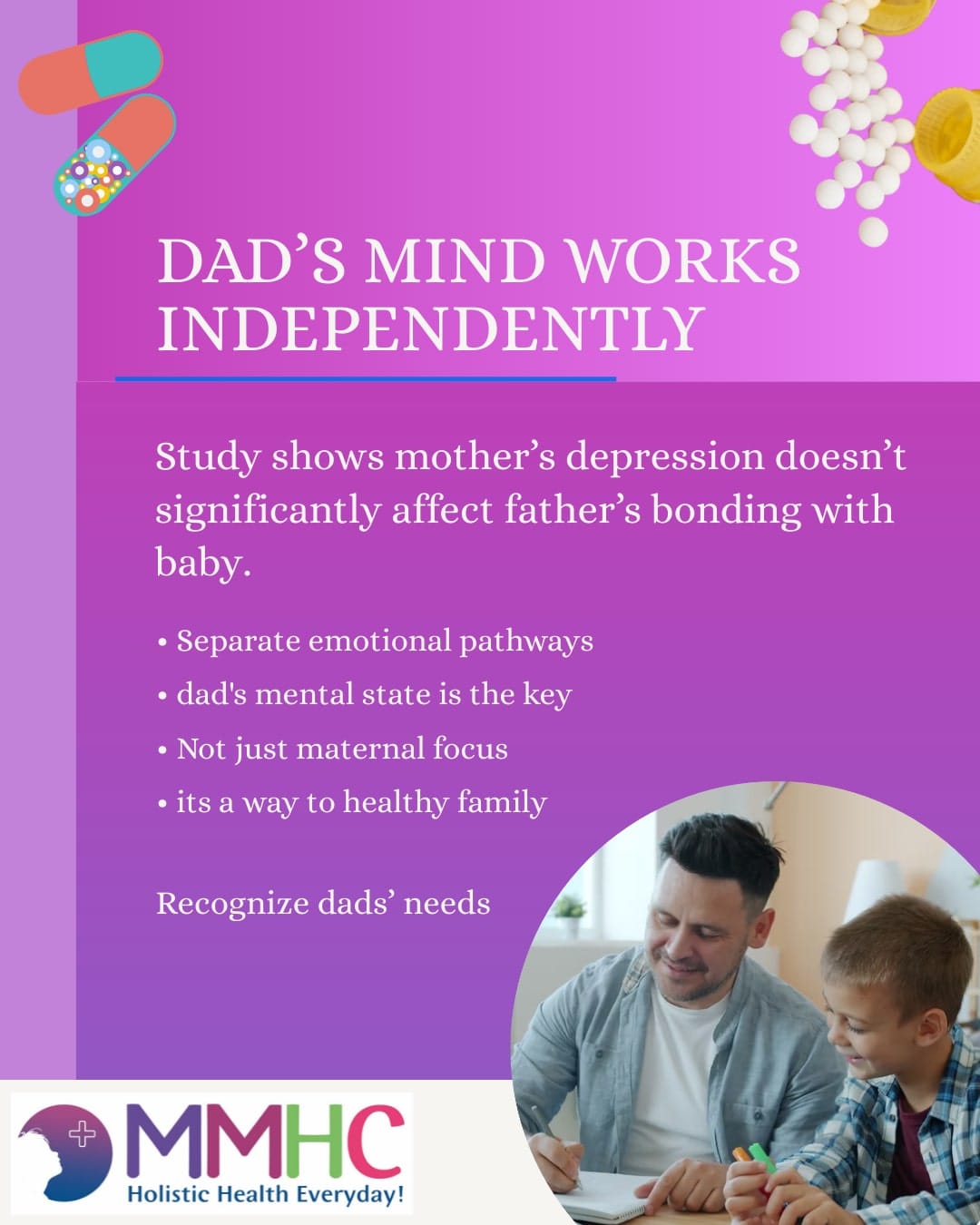
- Mother's Mental Health Less Impactful on Father's Bonding: Interestingly, the mother's own experience with depression did not emerge as a significant factor in predicting the father's bonding quality with the baby. This doesn't diminish the importance of maternal mental health, but rather underscores the independent and critical role of the father's emotional state.
- Need for Prenatal Intervention: The research strongly suggests that addressing paternal mental health concerns during pregnancy is vital for fostering a strong father-baby bond.
While this pioneering study was conducted with a specific group in Germany, it opens a vital conversation for families everywhere. It's a starting point that highlights a trend we need to pay attention to. The implications are clear: supporting fathers emotionally during pregnancy isn't just a kindness; it's a foundational element for healthy family development.
"Paternal depressive symptoms before birth were the best predictor for the quality of paternal bonding postpartum."
Why This Matters for Your Prenatal Care ?
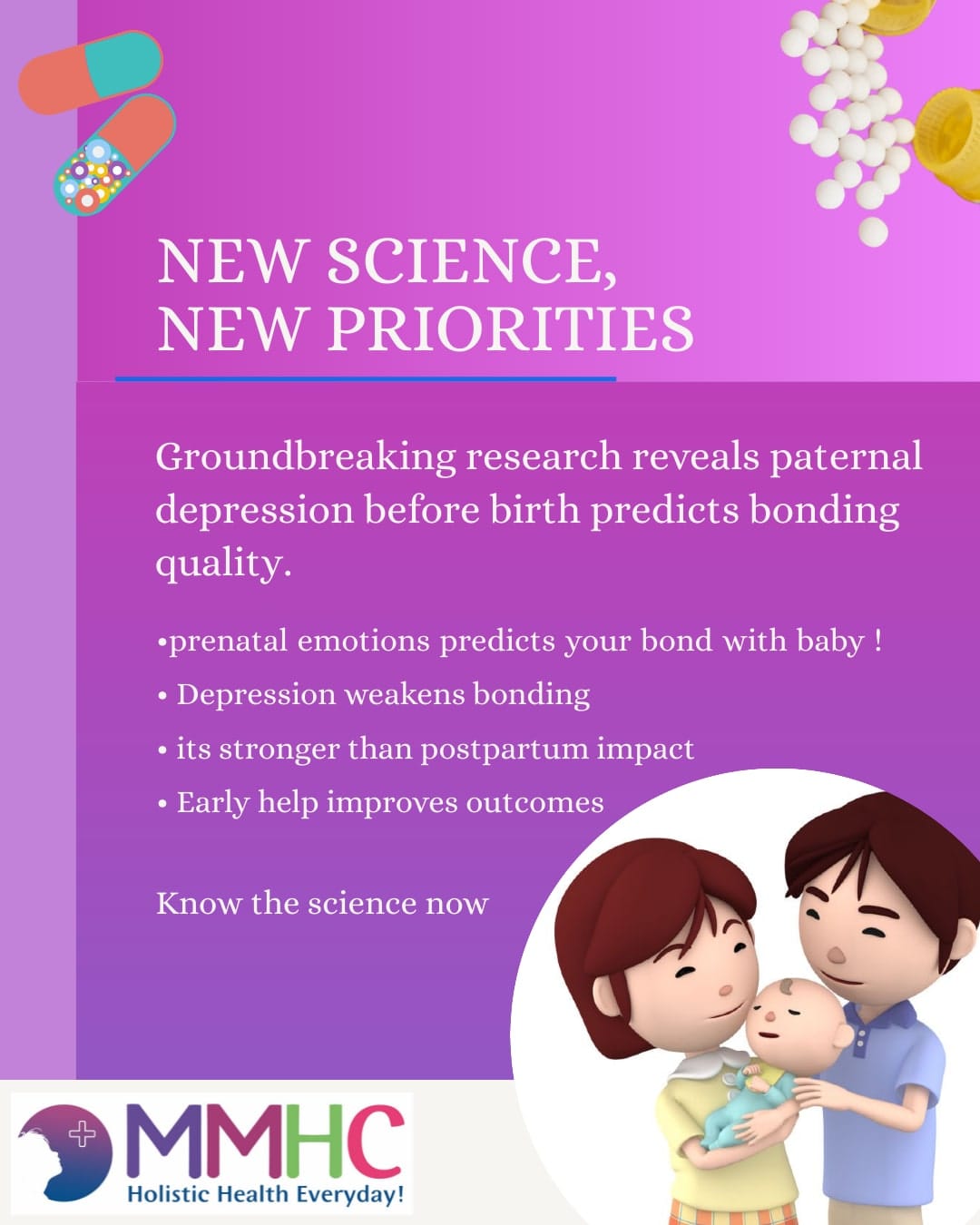
In India and especially in a busy city, models of prenatal care have historically focused primarily on the physical and mental health of the mother. Fathers often are included as supporters, but their emotional health is seldom a direct subject of medical visits. It is a paradigm to be challenged, this new research argues, seeking to add instead a more inclusive perspective, where the well-being of the father is also considered among the family's health checklist.
City lifestyle can exacerbate the very anxieties highlighted by this study. The relentless work pressure, the exhausting daily commutes, the high cost of living, and the constant hustle can all contribute to elevated stress and anxiety levels in expecting fathers. These factors can silently erode an expectant father's mental health, potentially impacting his future connection with his child.
When a father's prenatal anxiety or depression goes unaddressed, it's not just his personal struggle; it can have ripple effects on the entire family unit. A father who is emotionally struggling might find it harder to engage fully with the pregnancy, to connect with the idea of the baby, or to feel prepared for the immense changes ahead. This can manifest as emotional distance, irritability, or even withdrawal, all of which can inadvertently affect the mother and, ultimately, the baby.
Integrating paternal mental health into prenatal care means recognizing that a healthy family starts with healthy parents – both mother and father. It means creating a space where fathers feel comfortable expressing their fears, anxieties, and hopes, knowing that these emotions are valid and deserve attention. This proactive approach can help fathers navigate the emotional complexities of pregnancy, setting the stage for a more confident and deeply bonded start to fatherhood.
Actionable Tips & Advice for Expecting Parents
Understanding the importance of paternal prenatal mental health is the first step. The next is to take proactive measures. Here are some practical, evidence-based recommendations for expecting fathers, partners, and families in Mumbai:
For Expecting Fathers: Normalize Emotional Check-ins
It's okay not to be okay, and it's certainly okay to feel overwhelmed by the prospect of fatherhood.
- Acknowledge Your Feelings: Don't dismiss your anxieties or stresses as minor. Recognize that these feelings are valid and common among expecting fathers. Whether it's financial worries, concerns about your partner's health, or fears about your ability to be a good parent, bring them to the surface.
- Practice Mindfulness and Relaxation: Simple techniques like deep breathing exercises, short meditation sessions, or even just taking a few minutes to yourself can help manage stress. Consider prenatal yoga or meditation, which can help manage mental stress and prepare you for labor and birth.
- Maintain a Healthy Lifestyle: Prioritize sleep, nutrition, and physical activity. Even a short walk in a local park or a quick workout can significantly boost your mood and reduce stress. Ensure you're eating well, as a nutritious diet is key for overall health. The National Institute of Mental Health offers excellent stress management techniques that can be particularly helpful during this time.
For Partners: Supporting Open Communication
Your support is invaluable in creating a safe space for your partner to share his feelings.
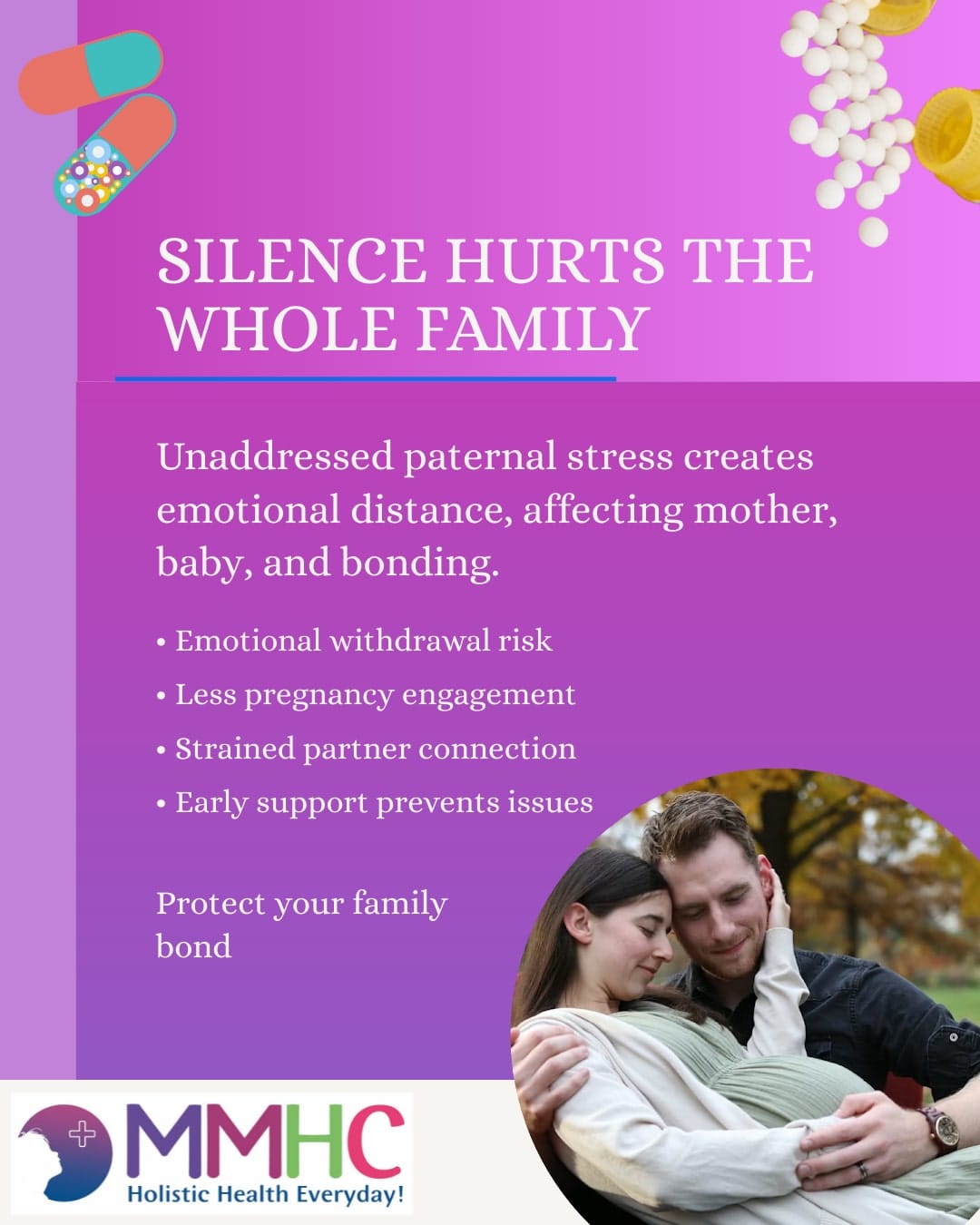
- Be Emotionally Present: Ask your partner how he's feeling, not just physically, but emotionally. Listen with empathy without rushing to solutions. Sometimes, just sharing worries can lighten the load.
- Encourage Sharing: Create an environment where he feels safe to express his fears and doubts without judgment. Reassure him that it's normal to feel scared or overwhelmed.
- Share the Load: Actively involve him in daily chores and baby planning. Ask him to help with tasks around the house, especially during the first trimester when the mother might be experiencing fatigue and nausea. This shared responsibility can alleviate his mental load and make him feel more engaged.
For the Family: Involve Fathers in the Journey
The broader family and social circle play a crucial role in supporting the expectant father.
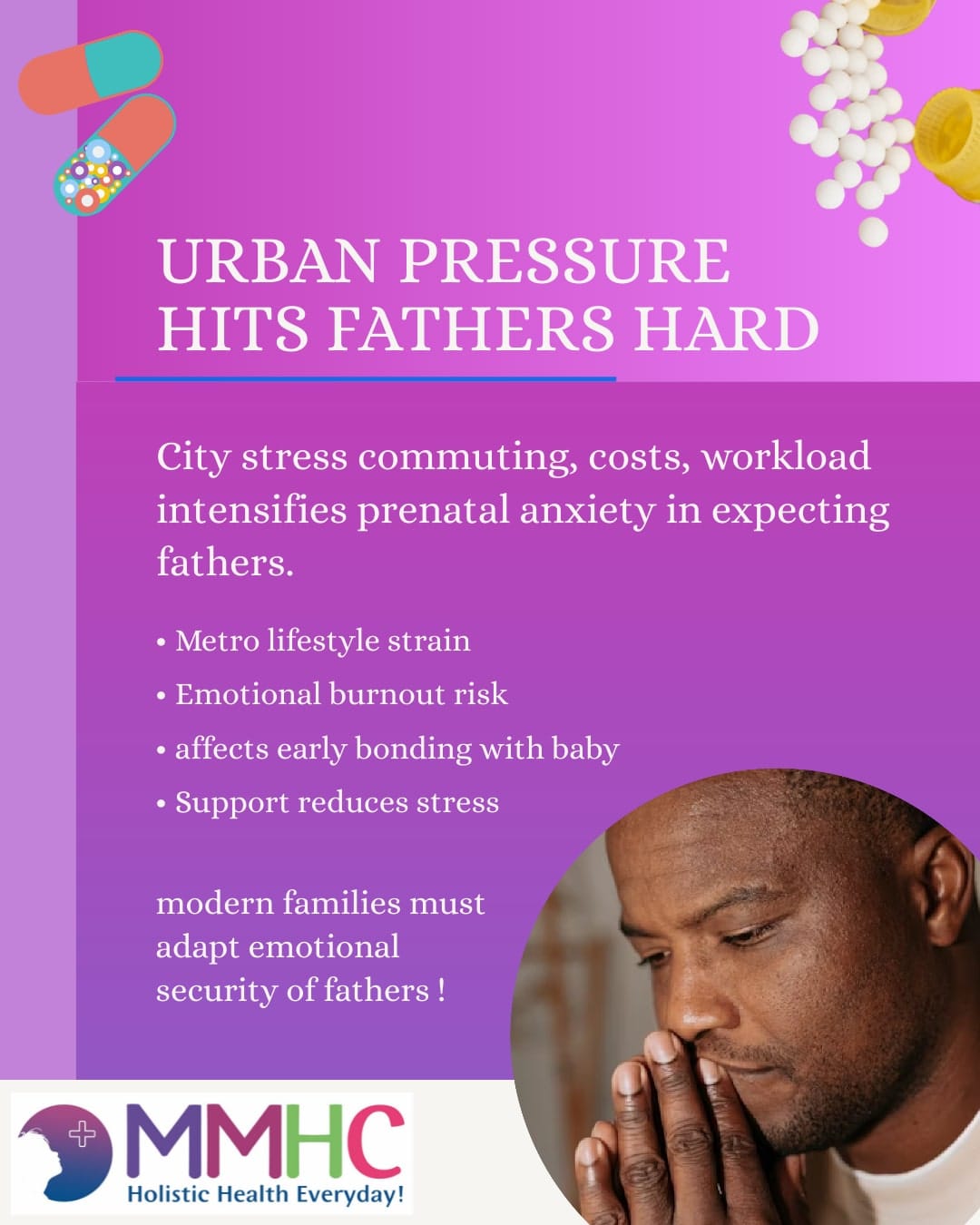
- Include Fathers in Prenatal Appointments: Encourage fathers to attend doctor visits and scans. Hearing the baby's heartbeat and seeing the ultrasound can make the pregnancy more real for him and deepen his connection.
- Collaborative Baby Planning: Involve him in decisions about the nursery, baby names, and birth plans. This shared decision-making fosters a sense of partnership and responsibility.
- Build a Support Network: Encourage him to connect with other expectant or new fathers. Sharing experiences can reduce feelings of isolation and provide valuable insights. Family and friends can also offer practical help, like cooking or running errands, allowing both parents to rest.
When to Seek Help?: Recognizing the Signs !
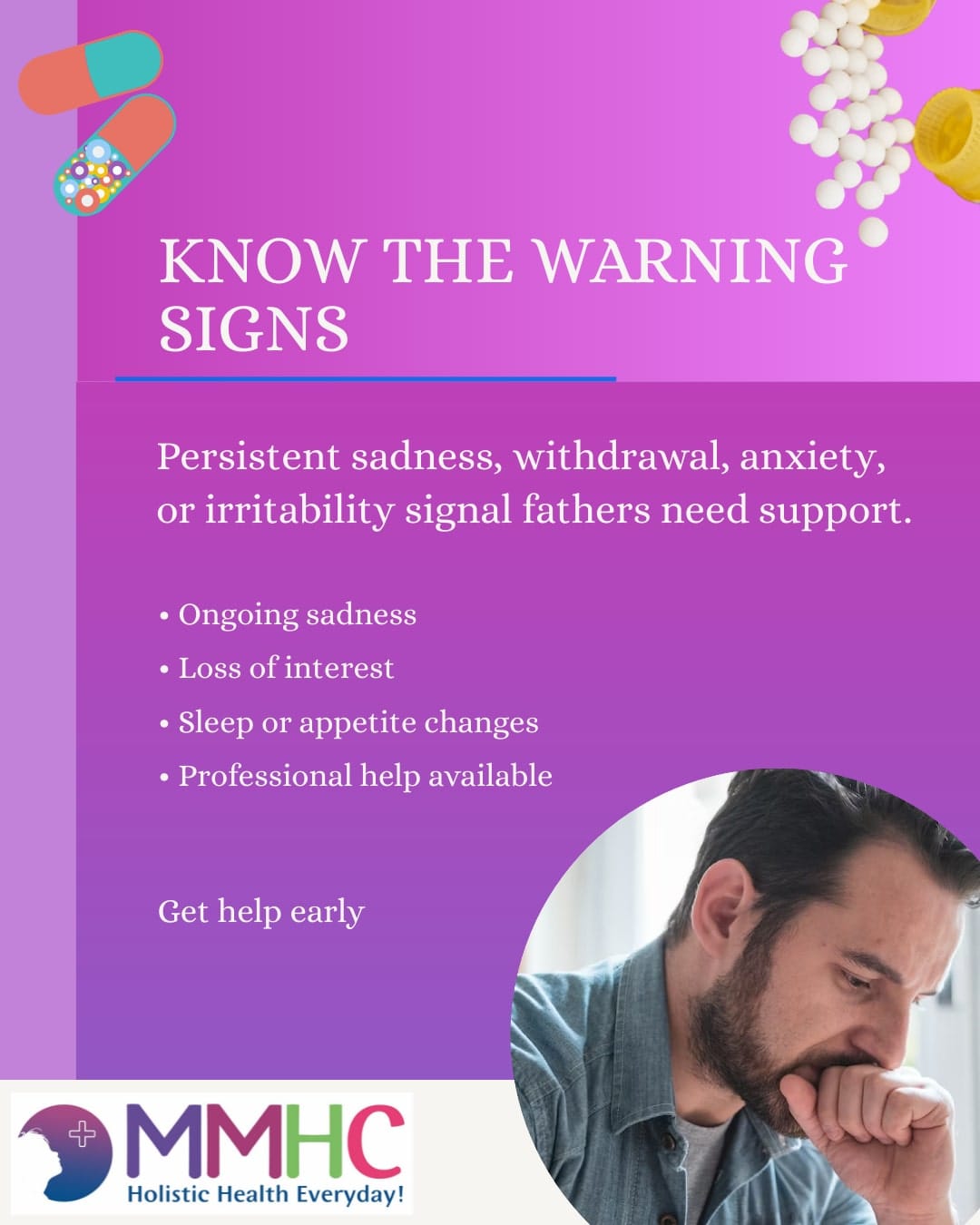
It's important to know when emotional struggles might be more than just "normal stress."
- Persistent Sadness or Irritability: If feelings of sadness, hopelessness, or extreme irritability last for more than two weeks.
- Loss of Interest: A noticeable lack of interest in activities he once enjoyed, or in the pregnancy itself.
- Changes in Sleep or Appetite: Significant disruptions in sleep patterns (insomnia or excessive sleeping) or changes in eating habits.
- Withdrawal: Pulling away from friends, family, or his partner.
- Overwhelming Anxiety: Constant worry, panic attacks, or a general tendency to perceive situations as threatening.
If you notice these signs in yourself or your partner, it's crucial to seek professional help. According to the NIH guidelines on paternal perinatal depression, early intervention is key to preventing long-term consequences. Doctors, midwives, and health visitors are ready to support you.
Remember: A father's prenatal anxiety and depression are treatable. Seeking help is a sign of strength and a gift to your future family. Early treatment is safe during pregnancy and important for the health of both parents and the baby.
Building a Stronger Family, Together
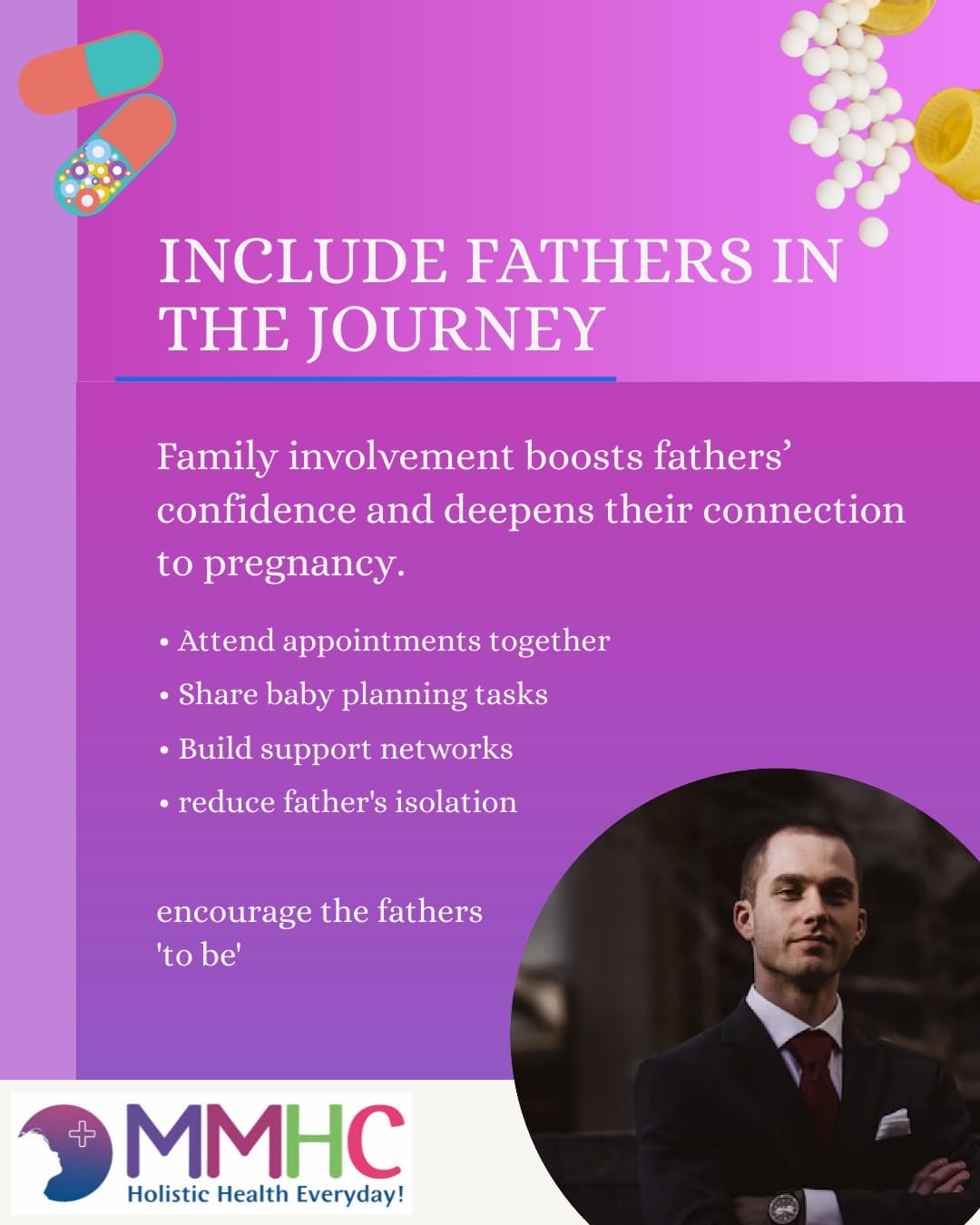
The journey to parenthood is transformative, and this new research underscores that it's a shared emotional experience from the very beginning. By acknowledging and addressing the mental health of expectant fathers during pregnancy, we can lay a stronger foundation for father-baby bonding, leading to happier, healthier families.
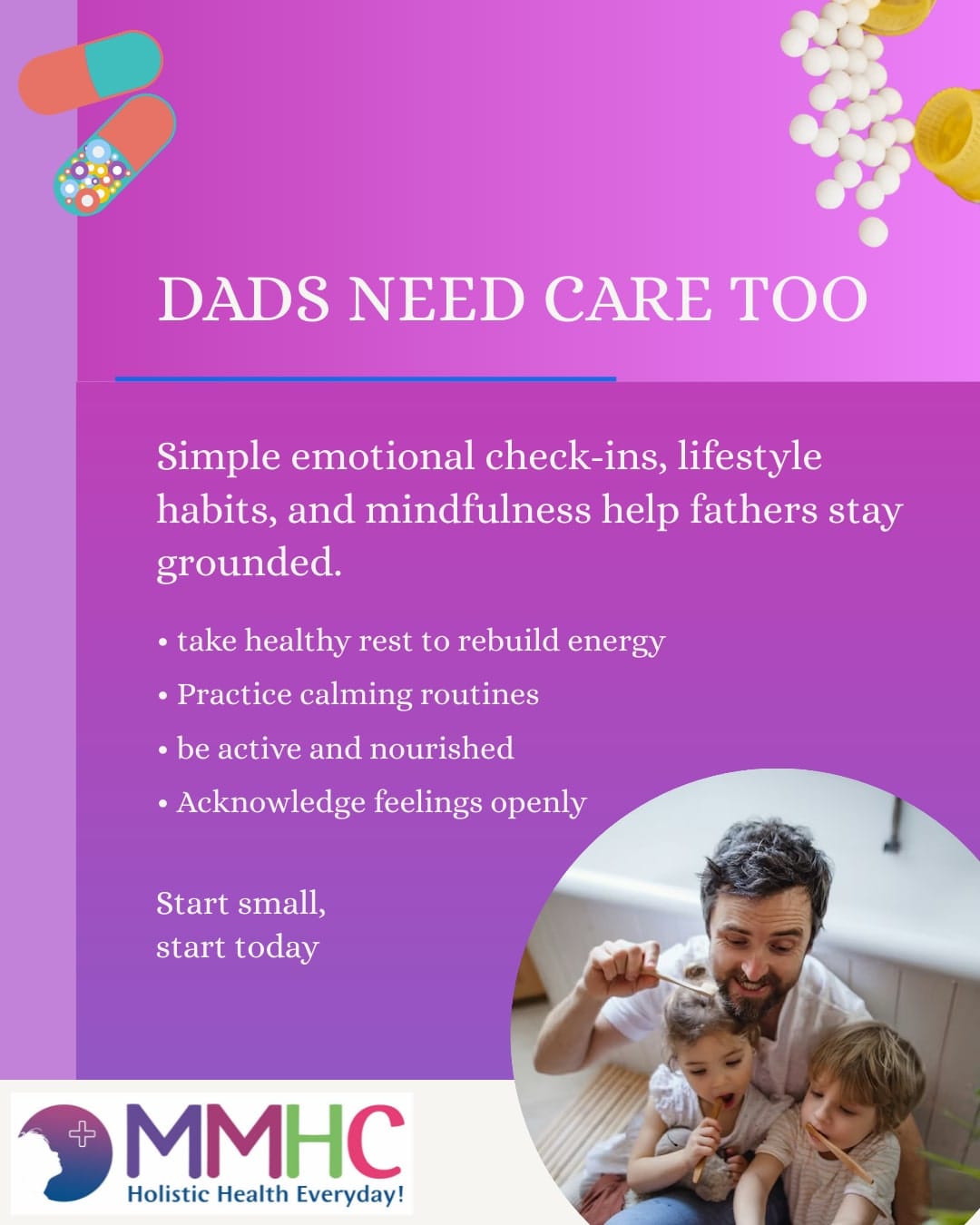
The insights from this study empower us to look beyond traditional roles and embrace a more holistic approach to prenatal care. For fathers in Mumbai, navigating the unique pressures of urban life while preparing for a child, recognizing and managing your mental health is not a luxury, but a necessity. It's an investment in your future relationship with your child and your overall family well-being.
If you or your partner are expecting and navigating these complex emotions, know that you don't have to do it alone. Consulting a mental health professional or discussing these concerns with your prenatal care provider at MMHC can be a proactive step towards a healthier, happier family bond. Embrace this opportunity to build a connection that starts even before birth, ensuring a confident and joyful start to fatherhood. Contact us for more details.

We encourage you to consult with the experts at MMHC. Our team is committed to a holistic, personalized prenatal and pediatric approach integrating the latest research on maternal health, gut health, and epigenetic influence. Let us support you in creating a strong foundation for your child’s lifelong health.
Disclaimer: This blog post is for educational purposes only and should not be considered medical advice. Always consult a qualified healthcare provider before making any health decisions.